
ChipView Semiconductor Learning and Development Training Goes Live!
Release Time:2025.08.22
In order to let everyone continue to advance on the career path, the company has carefully prepared the learning development training has been online! This training is not only a knowledge supply station, but also a booster to help you break through the bottleneck of growth and join hands with the company to go on a new journey, come together to unlock a learning time full of dry goods!
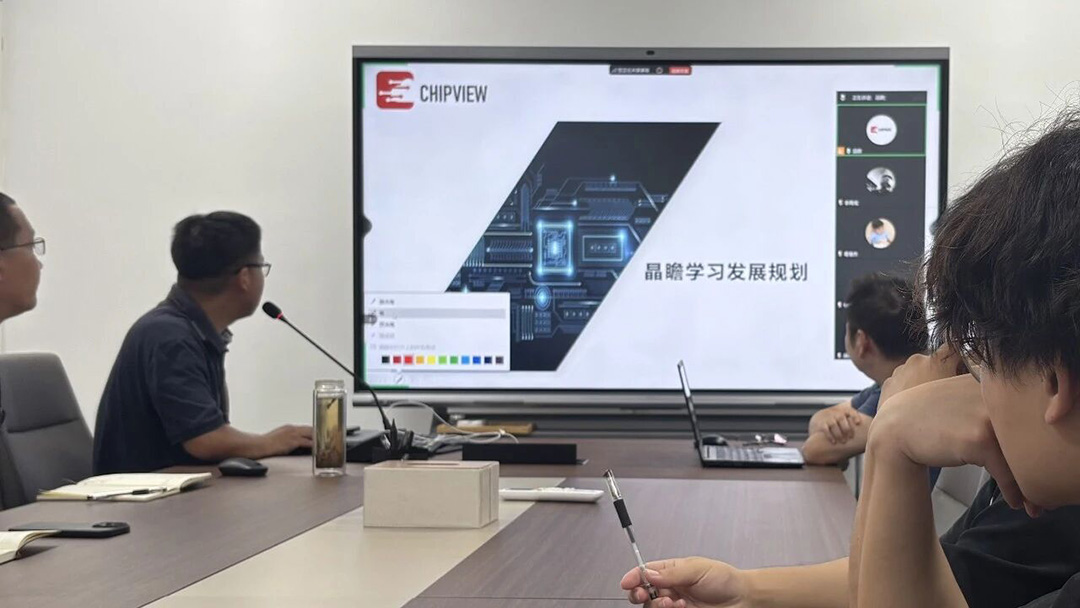
If you want to walk steadily and far, clear planning and solid foundation are essential. The core objective of this training plan is to help you improve your ability in all aspects, specifically focusing on these key points:
Familiarize with the business process: let everyone have a clearer understanding of the overall operation of the company, and more efficient collaboration; Enhance the overall awareness: use structural thinking, look at the problem from the company's strategic and industry perspectives, and enhance team cohesion and a sense of purpose; Domain knowledge development: for the core areas of the semiconductor industry, supplement the professional background knowledge, broaden the cognitive boundaries; Professional skills enhancement: focus on the hard-core skills required for the job, through systematic learning to consolidate the professional skills required. Domain knowledge development: supplement professional background knowledge and broaden cognitive boundaries for the core areas of the semiconductor industry; professional skills enhancement: focus on the hardcore skills required for the position, consolidate the professional foundation through systematic learning, and enhance the ability to solve practical problems.
Focusing on the core points of the semiconductor industry, this training brings the essence of the key contents, covering multiple dimensions from internal management to external collaboration, and helps you to build a knowledge framework quickly:
● Introduction to management system: In the semiconductor industry, quality management system and environmental management system are the most critical parts. Quality management system is like a precise net, from product design, raw material procurement, to production and processing, finished product inspection, to after-sales service, each link is included in the standardized process to ensure that each product can meet the established quality standards. It requires us to strictly follow the operation norms in our work and record every key data so that we can quickly trace the root cause when problems occur. The environmental management system, on the other hand, focuses on the impact of business operations on the environment. In the production process, a variety of chemical substances are used. Reasonable handling of these substances and reduction of pollution to the environment is not only a requirement to comply with laws and regulations, but also an inevitable choice for the sustainable development of the enterprise. Through the study of these two systems, you will be able to clearly understand the “underlying logic” of the company's standardized operation, and build a solid defense for product quality and sustainable development.
● Introduction to practical tools: In quality management work, scientific tools can help us find problems precisely and solve problems efficiently. qc seven techniques include checklist, plato, histogram, cause and effect diagram, control chart, scatter diagram and layer method, which seem to be simple, but can play a great role in data collection, problem analysis and so on. For example, checklists allow us to systematically collect all kinds of data in production, and Plato can help us find out the key few factors affecting quality, so as to focus on solving the core problems.MSA (Measurement System Analysis) focuses on the reliability of the measurement data, after all, if there is a problem with the measurement tool or method, the subsequent analysis and decision-making will deviate from the correct direction.SPC (Statistical Process Control) is a method to control the quality of the production process by performing statistical data collection of key parameters in the production process, and then analyzing the data. SPC (Statistical Process Control) through the statistical analysis of key parameters in the production process, timely detection of abnormal fluctuations in the process, so as to take measures to prevent the generation of nonconforming products. FMEA (Potential Failure Mode and Effects Analysis) is a forward-looking risk assessment tool, in the product design or process planning stage, to identify possible failure modes, and to take preventive measures in advance. Through the study of these classic quality management tools, you will be able to master the ability to use scientific methods to solve practical problems in the workplace.
● Six Sigma Awareness: Six Sigma is not only a quality indicator, but also a management philosophy and methodology for pursuing excellence. Its core is to improve the quality of products and services by reducing variation in the process to meet customer needs. In the semiconductor industry, the precision and reliability of products are so demanding that even small variations can lead to product failure. The concept of Six Sigma enables us to establish a quality culture of “Pursuit of Excellence and Continuous Improvement” and start from every detail to continuously optimize the production process and improve product quality. For example, in the chip manufacturing process, through the Six Sigma methodology to analyze the factors affecting the yield of the chip, targeted for improvement, you can significantly improve production efficiency and reduce costs.
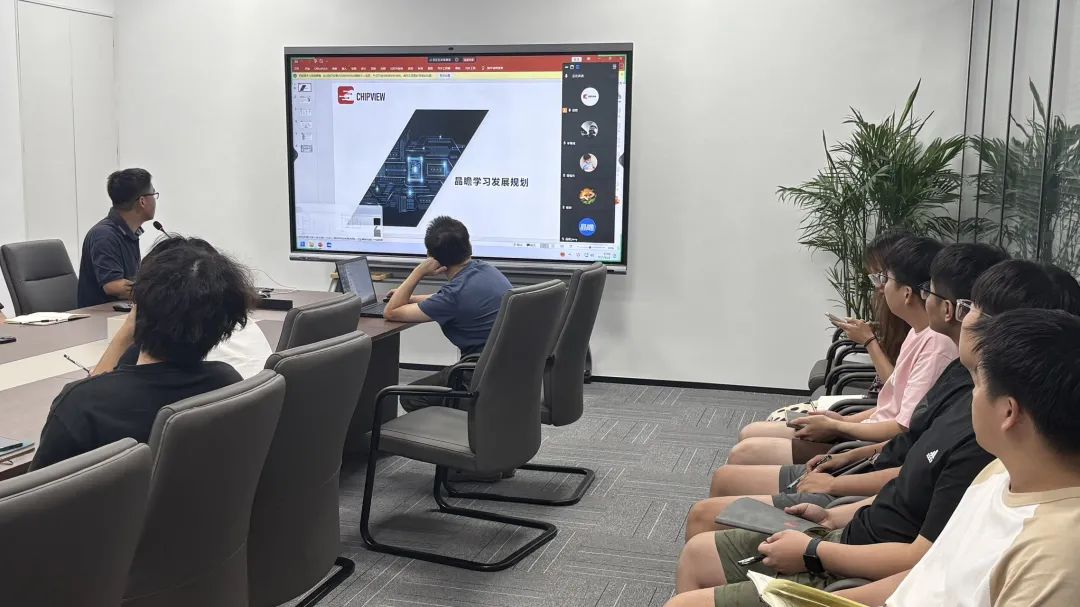
● 6S management: 6S management is an on-site management method that includes six aspects: organizing, straightening, cleaning, cleansing, literacy and safety. Tidying up is to distinguish between wanted and unwanted items, and clean up unwanted items in time to make space; tidying up is to arrange needed items neatly in accordance with the specified position and mark them well for quick access; cleaning is to remove dust and debris in the workplace to keep the environment neat and clean; cleaning is to systematize and standardize the results of tidying up, reorganization and cleaning to ensure that the work environment is always maintained in a good condition; and literacy is to cultivate good work habits and professional ethics of employees and consciously abide by rules and regulations. Cultivate good working habits and professional ethics of employees, consciously abide by the rules and regulations; safety is to ensure the personal safety of employees and the normal operation of equipment in the work process. Combined with the recent management system of the laboratory, we can start from small steps to improve the working environment and enhance the quality of work.
● Environmental regulations: With the increasing global awareness of environmental protection, the semiconductor industry, as a high-tech industry, is also facing increasingly stringent environmental requirements. For ChipView Semiconductor, compliance with these environmental regulations is a reflection of corporate social responsibility and a “passport” to the international market. In the training, we explained the specific requirements of the regulations in detail, which can help everyone to strengthen the awareness of green production in their work, ensure that the company's products comply with international environmental protection standards, and help the company to practice social responsibility.
We explained the purpose, methods and determination criteria of different reliability test programs. For example, the high temperature test mainly examines the stability of the product in a high temperature environment, while the low temperature test focuses on the product's start-up and operation performance in a low temperature environment. Understanding this knowledge enables everyone to understand the scientific basis behind “excellent quality”, pay more attention to details in the production and inspection process, and ensure that the products can meet the needs of customers in a variety of environments.
The successful implementation of this learning and development training has opened a new window of knowledge for everyone. From business processes to professional tools, from internal management to external collaboration, each knowledge point carries the company's expectations for your growth.
The road to growth is long and difficult, but the road will be there. ChipView Semiconductor always believes that the growth of employees is the growth of the company. In the future, we will continue to launch more quality learning resources and build a broader growth platform for everyone. Let's take this training as a new starting point, transform what we have learned into what we can use, polish our skills and improve ourselves in practice, and work together to empower ChipView Semiconductor for a better future!
All Rights Reserved© ChipView Semiconductor (SuZhou) Co,.LTD.
SU ICP NO.2025197462-2



IR@chipview-semi.com.cn

Room A301, Building 21, Creative Industry Park, No. 328 Xinghu Street, Suzhou Industrial Park, Suzhou City, Jiangsu Province,China
